
An elegant, wide-angle view of a bright university meeting room, centered on a large wooden conference table covered with open laptops, technical reports, and a few neatly stacked lab notebooks showing dense scientific plots and diagrams. Alongside them, small concrete prisms and petri dishes with powdered green binder materials are carefully arranged as visual props. Soft, diffused daylight from floor-to-ceiling windows illuminates the table, creating subtle reflections on the laptop casings and a calm, focused atmosphere. The background shows a blurred whiteboard filled with faint formula-like shapes. Photographic realism, eye-level composition, and balanced framing communicate a professional academic environment dedicated to net-zero concrete research and AI-driven materials discovery.

Google Scholar

Explore Dr Xinyuan Ke’s Google Scholar profile, citation impact, and publication visibility in civil engineering.

About

Google Scholar in Civil Engineering

Google Scholar offers broad coverage of journal articles, conference papers, and collaborative outputs in civil engineering, providing robust citation counts and h‑index indicators that reflect the visibility, impact, and interdisciplinary reach of sustainable construction and low‑carbon materials research.
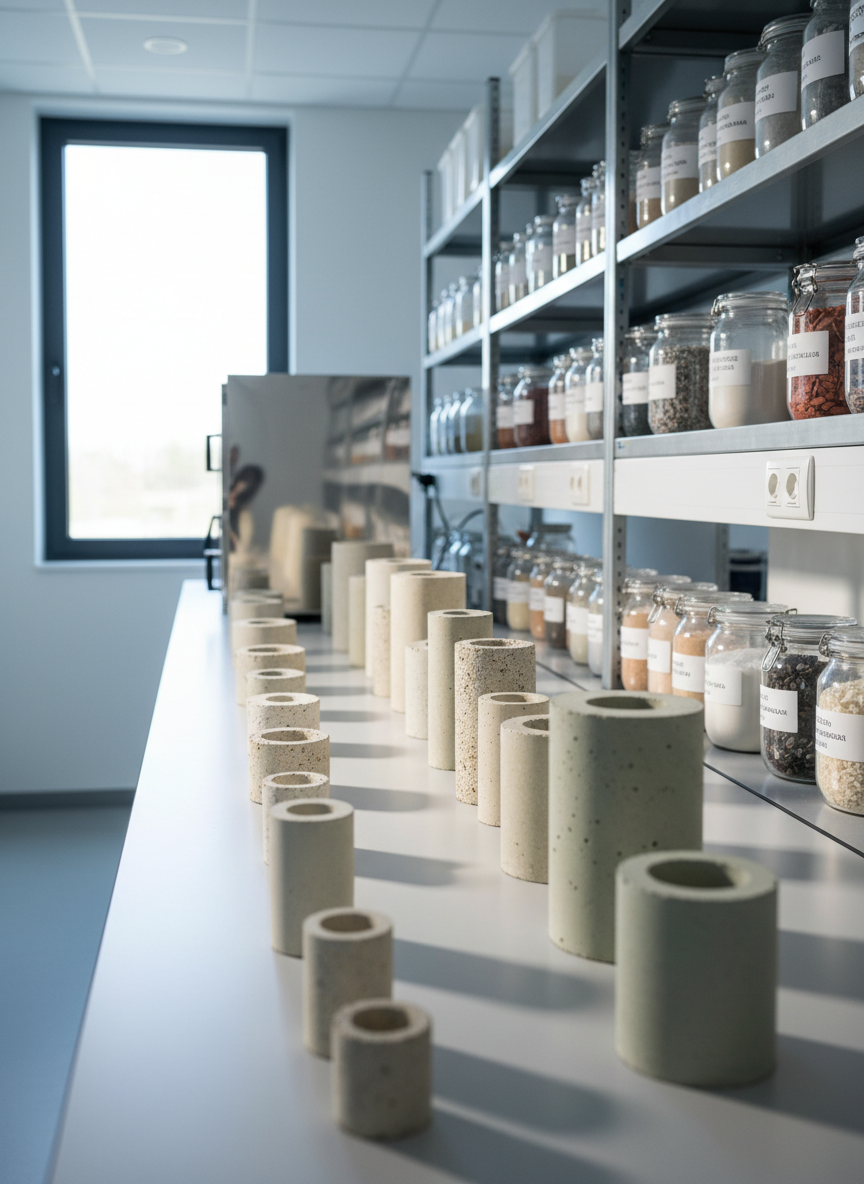
A sleek, modern research workspace focused on sustainable concrete innovation, with a long light-grey lab bench covered in neatly arranged cylindrical concrete samples of varying textures and subtle color tones from pale off-white to soft greenish-grey. In the background, tall shelves hold labeled containers of mineral powders and recycled aggregates, all slightly blurred. Cool daylight streams through a large window, creating crisp reflections on a stainless-steel surface and casting gentle shadows behind the samples. Captured at eye level with a shallow depth of field, the composition feels precise and professional. Photographic realism with a clean, minimalist aesthetic emphasizes cutting-edge academic research and low-carbon engineering.
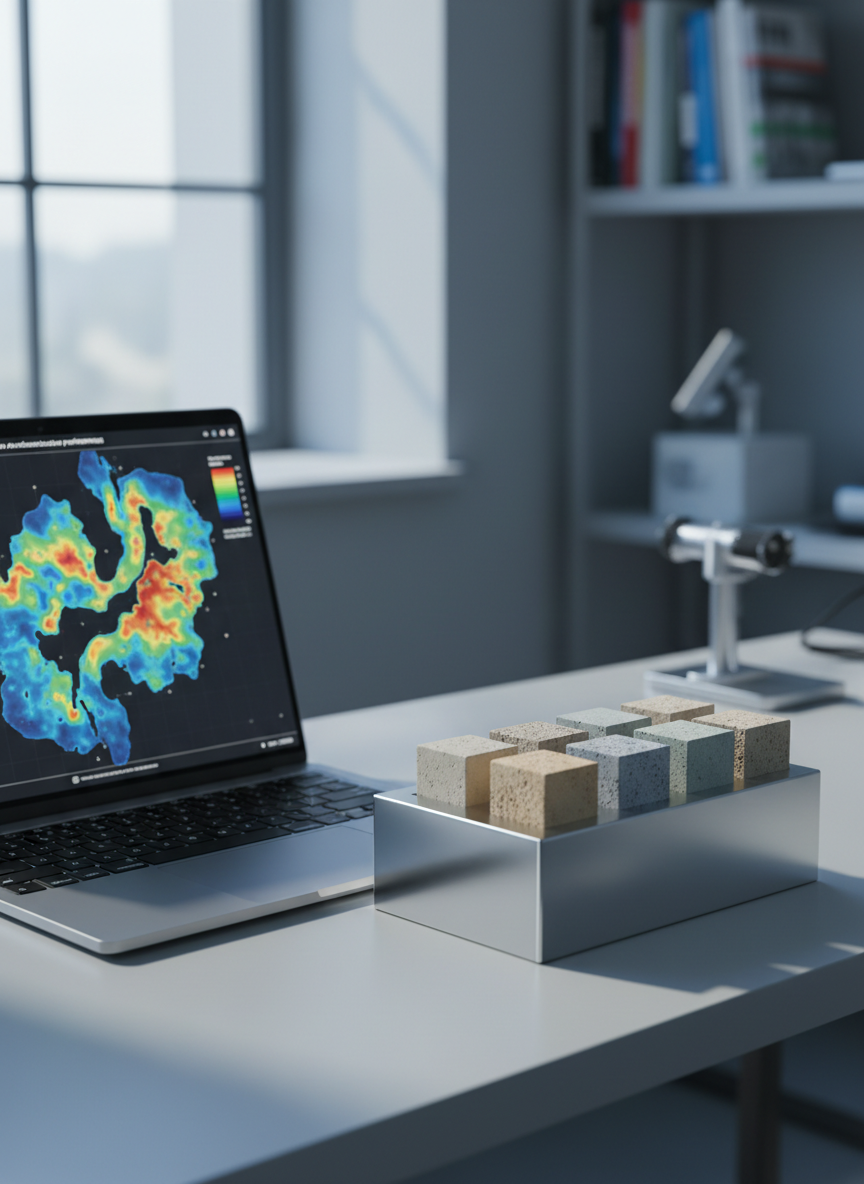
A sophisticated visualization of AI-driven materials research, showing a high-resolution laptop on a tidy lab desk displaying a colorful, abstract 3D heatmap of concrete microstructure performance, with no legible text. Next to it, a polished metal sample holder presents several miniature concrete cubes, each with slightly different surface textures and hues representing varied low-carbon mix designs. Soft, cool daylight from a nearby window mixes with the subtle glow of the laptop screen, casting gentle gradients of light across the desk. Shot from a slightly elevated angle, with moderate depth of field so that both the digital model and physical samples are sharp. The atmosphere is innovative and forward-looking, conveying how artificial intelligence supports the optimization of net-zero concrete formulations.

Citation Trends and h‑Index

Track changes in annual citations, monitor Dr Xinyuan Ke’s h‑index over time, and access the live Google Scholar profile for up‑to‑date evidence of research influence across net‑zero concrete, green binders, and AI‑driven materials.